

Is Your Minneapolis Tree Secretly Suffering?
University of Minnesota research reveals a hidden crisis beneath our city's soil. The Gentle Arbor uncovers the truth to restore your trees' health.
Shocking Data Says It's Likely.
The Scope of Deep Planting in Our Community
A Documented Local Crisis: Over 90% of Minneapolis Trees Are Buried Too Deep.

It's an alarming reality right here in our neighborhoods. Landmark field audits by the University of Minnesota found that more than 90% of boulevard maples, ashes, and lindens in Minneapolis are buried by at least 4 inches of excess soil over their critical root flare. That means the vast majority of our community's iconic street trees were set up for problems from the moment they were planted, or shortly thereafter.
This isn't just a local anomaly. Wider research, like the classic Smiley & Booth audit, found that a staggering 93% of "professionally planted" trees across multiple states had their trunk flares buried by soil or mulch. For Minneapolis, the UMN data confirms the problem is particularly acute, creating an urgent need for corrective care.

The Nursery Stock Challenge: Problems Often Start Before Planting
Arriving Pre-Buried: The Nursery Conundrum.
The issue often begins even before a tree reaches your yard. A University of Minnesota survey of 15 nurseries shipping into our state examined 881 balled-and-burlapped or container trees. The findings were startling: 87% of these trees left the nursery with 1 to 10 inches of excess soil already piled over their root systems. Many had more than 6 inches of extra soil.
This means that nearly nine out of ten new trees purchased for our landscapes start at a significant disadvantage. Without immediate correction after planting, this excess soil effectively buries the root flare too deeply, setting the stage for future health decline.


The Dangers of Buried Root Flares: A Suffocating Truth
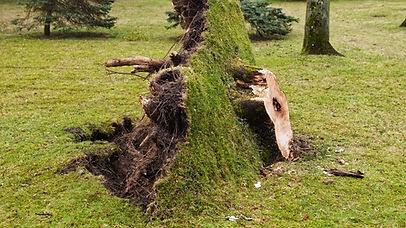
What Happens When a Tree's Base Can't "Breathe"?
A tree's root flare – the area where the trunk widens and transitions into the root system – is meant to be at or just above the soil surface. Bark tissue on the trunk is different from root tissue and is not adapted to constant soil moisture.
When buried, several critical problems arise:
-
Trunk Decay: Persistent moisture from soil contact causes bark to rot, creating entry points for diseases and insects.
-
Oxygen Deprivation: Roots need oxygen to survive and function. Excess soil compacts and reduces oxygen flow to the root system.
-
Girdling Roots: Trees respond to being planted too deeply by sending roots upwards in search of oxygen. These roots can circle and grow against the trunk, eventually constricting (girdling) it like a tourniquet. This cuts off the flow of water and nutrients, slowly choking the tree.
-
Impaired Growth: The tree becomes stressed, leading to reduced vigor, smaller leaves, and a thinner canopy.


The "Mulch Volcano" Epidemic: Misguided Care, Harmful Results
When Good Intentions Go Wrong: The Trouble with "Mulch Volcanoes".
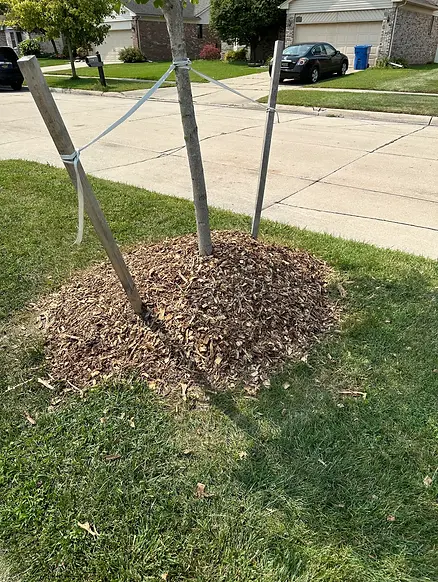
Proper mulching is beneficial, but a common mistake can be just as harmful as planting too deeply: the "mulch volcano." This is when mulch is piled high directly against the tree trunk. While often well-intentioned, perhaps even encouraged by the availability of free wood chips from the Minneapolis Park Board, this practice is detrimental.
A follow-up audit on over 400 landscape installations found that 93% had the tree's root flare hidden by mulch. The University of Minnesota Extension also explicitly warns in its tree planting guides that deep mulch piled against tree trunks is harmful.
Piling mulch against the trunk effectively re-buries the root flare, leading to the same problems as deep planting: trapped moisture, trunk decay, oxygen starvation for the flare, and a welcoming environment for wood-boring insects and rodents that can damage the bark.
Consequences for Tree Health, Longevity & Safety
The Ripple Effect: From Hidden Stress to Visible Decline & Danger.

Trees suffering from buried root flares and improper mulching often exhibit a slow decline that can be misdiagnosed. The impacts are serious and multifaceted:
Increased Stress & Vulnerability: Chronically stressed trees are far more susceptible to drought, insect infestations, and diseases.
Reduced Vigor & Poor Aesthetics: Expect stunted growth, sparse foliage, premature leaf drop, and branch dieback, diminishing the tree's beauty and value.
Premature Death: Many trees ultimately succumb years earlier than they should, representing a loss of investment and a blow to our urban canopy.
Safety Risks: As the base of the tree weakens from rot or is constricted by girdling roots, its structural integrity is compromised, increasing the risk of the tree failing and falling, especially during storms.


Why This Matters for Minneapolis & Hennepin County
Protecting Our Priceless Urban Forest, One Tree at a Time.
Our Minneapolis trees are more than just scenery; they are vital green infrastructure. They clean our air, cool our city, increase property values, and contribute to our well-being. The Minneapolis Park & Recreation Board alone manages approximately 600,000 public trees on boulevards and in parks. Considering the UMN data, this implies an enormous backlog of potentially buried root flares threatening these valuable assets.
Furthermore, initiatives like Hennepin County's Healthy Tree Canopy grants are adding thousands of new trees annually. If nearly 90% of this new stock arrives pre-buried and isn't corrected, we are perpetuating the problem. Protecting both mature trees and new plantings is crucial for the future of our urban forest.
Ground-Level Red Flags: What to Look For
Visible Warning Signs: What Your Tree's Base Might Be Telling You

Many indicators of a buried root flare and related issues are easily visible if you know what to look for. Here are key red flags The Gentle Arbor can help you identify:
No Visible "Ankles" or Flare (The "Telephone Pole" Look):
-
What to Look For: A tree trunk that enters the ground straight, without widening at the base. Trees should have hips, if it looks like a fence-post, it’s too deep.
-
Why it Matters: The root flare, where the trunk broadens into the main roots, is crucial for tree stability and health. If it's buried, the roots can suffocate, and the bark at the soil line stays constantly wet, inviting decay.


Mulch "Volcano" Touching the Bark:
-
Why it Matters: This traps excessive moisture against the bark, leading to decay fungi and creating a welcoming habitat for rodents that can chew the bark. It also encourages the growth of harmful girdling roots that can circle and constrict the trunk.
-
What to Look For: Mulch piled up in a cone shape directly against the tree's trunk. Mulch shouldn’t hug, pull it back so the trunk can breathe.
Dark, Soft, or Peeling Bark at the Soil Line:
-
Why it Matters: This is a clear sign of collar rot or other decay pathogens thriving due to constant moisture from buried trunk tissue.
-
What to Look For: Bark at ground level that appears discolored, feels spongy, or is flaking off.

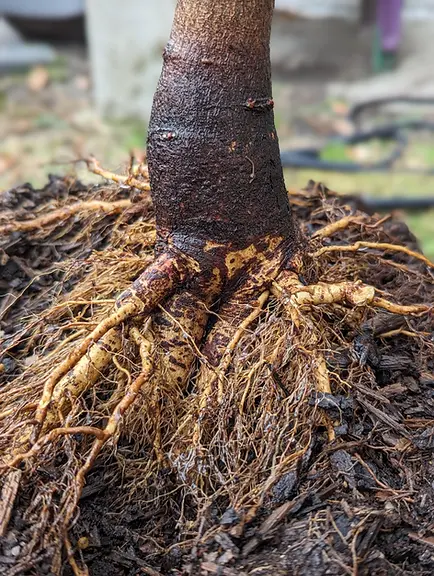
Adventitious Feeder Roots in the Mulch or Soil Around the Trunk:
-
What to Look For: Small, stringy roots growing from the trunk itself, above the actual root system, often found within the mulch layer. These little spaghetti roots grew because the trunk has been buried.
-
Why it Matters: This is a stress response. The tree is trying to develop new roots in the oxygen-starved environment because its main flare is too deep. These roots are often weak and can contribute to girdling.
Visible Surface Girdling Roots or a Trunk That’s Flat on One Side:
-
What to Look For: One or more significant roots visibly wrapping around or pressing into the base of the trunk. Sometimes the trunk may appear flattened or "caved in" on one side where a root is constricting it. The root is literally choking the tree, every year the noose gets tighter.
-
Why it Matters: These strangling roots cut off the vital flow of water and nutrients between the roots and the canopy, weakening the tree and potentially leading to its death or structural failure.


Canopy & Leaf Symptoms: When Trouble Above Signals Problems Below
Reading the Leaves: How Your Tree's Crown Reveals Root Distress
Often, the problems hidden below ground eventually manifest in the tree's canopy. If you notice these symptoms, especially when compared to healthy neighboring trees, a buried root flare or girdling roots could be the underlying cause:
Early Fall Color or Sudden Leaf Drop: Stressed trees often go into "survival mode" weeks earlier than healthy ones, showing autumn colors or dropping leaves prematurely.


Mini Leaves & Thin Crown: Stunted, pale, or undersized foliage is a classic sign of water and nutrient stress, often because buried or girdled roots can't effectively support the canopy.
Die-Back From the Top Down: Branch mortality typically starts in the upper and outer parts of the canopy as the tree's ability to transport water to its extremities (its "hydraulic pipeline") collapses due to root system compromise.

Structural Safety Warning Signs: When to Be Concerned
Beyond Health: Recognizing Potential Hazards
A buried root flare doesn't just impact a tree's health; it can eventually compromise its structural integrity, posing a safety risk. Be aware of these signs:
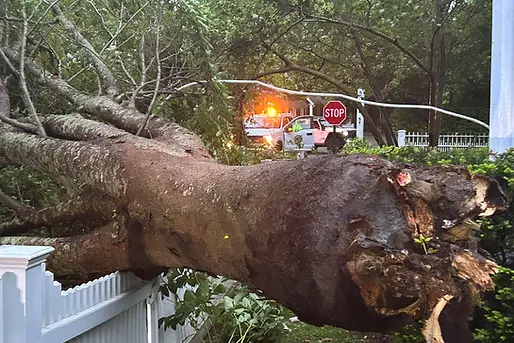
Increased Risk of Wind-Throw: Trees with compromised root systems or trunks weakened by girdling roots are more prone to uprooting or snapping at the compressed point during storms.
Vertical Cracks or Cankers Near Ground Level: These can be created by the chronic moisture held against the bark by excess soil or mulch, or by the stress of girdling roots.

Sunken "Waist" at the Soil Line: This indentation often indicates where a significant girdling root is compressing and weakening the trunk.

