
Tree Root Care: The Complete Guide to Healthy Roots
Updated: Jul 8
When you think about tree health, what comes to mind? The lush leaves? The strong branches? While those are important, the real foundation of a tree’s health lies underground. Yes, I’m talking about the roots. Roots are the unsung heroes that keep your trees alive, stable, and thriving. But how often do you consider their care? If you want your trees to flourish for years, you need to focus on essential root care tips. Let’s dive into why root care matters and how you can protect your trees from the silent threat of slow-motion failure.
Why Root Care Is Crucial for Tree Health
Roots do more than just anchor a tree in the soil. They absorb water and nutrients, store energy, and even communicate with the surrounding environment. When roots are healthy, your tree grows strong and resists disease. But when roots suffer, the whole tree suffers.
Have you ever noticed a tree that looks healthy on the outside but suddenly starts to decline? Often, the problem starts underground. Roots can be damaged by poor planting, soil compaction, or even construction work nearby. Without proper care, roots can become weak or diseased, leading to slow-motion failure—a gradual decline that’s hard to detect until it’s too late.
Taking care of roots means giving your tree the best chance to thrive. It means preventing problems before they start and addressing issues early. After all, a tree is only as healthy as its roots.
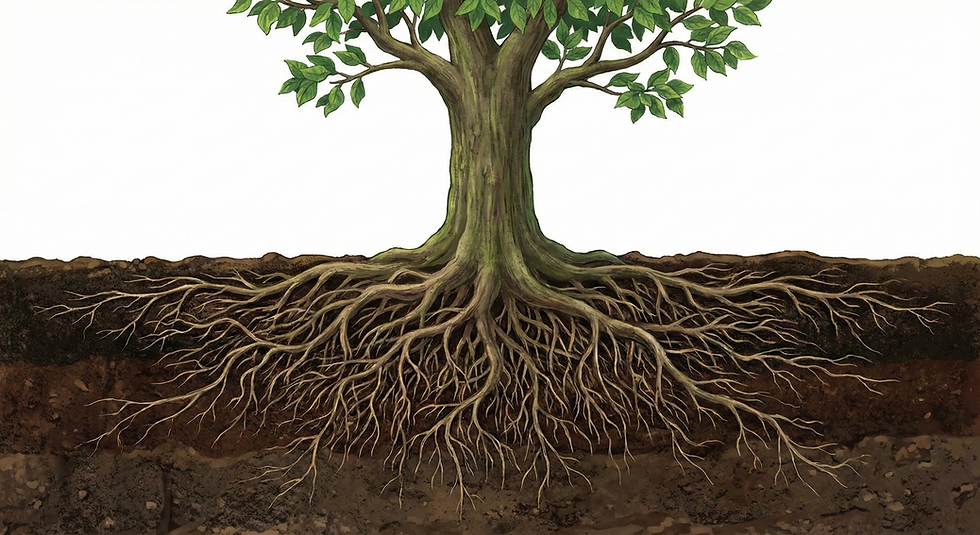
Essential Root Care Tips Every Homeowner Should Know
You don’t need to be an expert arborist to care for your tree roots. With a few simple steps, you can make a big difference. Here are some essential root care tips that will help your trees stay strong and healthy:
Avoid Deep Planting
Planting a tree too deep is one of the most common mistakes. The root flare—the area where roots spread at the base of the trunk—should be visible above the soil. Deep planting suffocates roots and invites rot.
Protect Roots from Soil Compaction
Heavy foot traffic, vehicles, or construction near your tree can compact the soil. Compacted soil restricts oxygen and water flow to roots. Use mulch to protect the root zone and avoid driving or walking over it.
Water Wisely
Roots need water, but too much or too little can harm them. Water deeply and infrequently to encourage roots to grow deeper. Shallow watering leads to weak, surface roots.
Mulch Properly
Mulch keeps soil moist, regulates temperature, and prevents weeds. Apply 2-4 inches of organic mulch around the tree, but keep it a few inches away from the trunk to avoid rot.
Avoid Root Damage During Landscaping
When digging or planting near trees, be careful not to cut or damage roots. Even small injuries can lead to infection or decay.
By following these tips, you can protect your trees from the hidden dangers that threaten their roots.
How Deeply Planted Trees Affect Root Health
One of the biggest challenges I see in the Twin Cities is deeply planted trees. It’s a widespread issue that leads to slow-motion failure. When trees are planted too deep, their roots struggle to get oxygen. This causes roots to grow in a tight, circling pattern instead of spreading out. Over time, the tree becomes unstable and vulnerable to disease.
One of the most common root care issues is a buried root flare. When the base of the trunk is hidden under soil or mulch, the tree slowly suffocates. Studies show this affects over 90% of urban trees in Minneapolis.
You might not notice the problem right away. The tree may look fine for years. But beneath the surface, the roots are suffocating. Eventually, the tree weakens and can even fall during storms.
If you suspect your tree is planted too deep, don’t wait. You can carefully expose the root flare and remove excess soil. This simple step can save your tree from a slow decline.

Signs Your Tree’s Roots Need Attention
How do you know if your tree’s roots are in trouble? Here are some signs to watch for:
Wilting or yellowing leaves despite regular watering
Slow growth or dieback of branches
Mushrooms or fungal growth near the base of the tree
Soil heaving or cracking around the trunk
Leaning or unstable trunk
Beyond buried flares, trees can also suffer from girdling roots and other structural root problems that require professional diagnosis. If you notice any of these, it’s time to take action. Early intervention can prevent costly damage and keep your tree healthy.
Practical Steps to Improve Root Health Today
You don’t have to wait for problems to appear. Here are some practical steps you can take right now to improve your tree’s root health:
Inspect your trees regularly for signs of stress or damage.
Add mulch around the base, but avoid piling it against the trunk.
Water deeply during dry spells, focusing on the root zone.
Avoid disturbing the soil near your trees with heavy equipment or digging.
Consult a professional arborist if you’re unsure about your tree’s condition.

Remember, the best way to protect your trees is to be proactive. The Gentle Arbor specializes in fixing deeply planted trees and preventing slow-motion failure. They can help you protect your valuable trees and ensure they thrive for years to come.
Keeping Your Trees Strong Starts Below Ground
Your trees are a valuable part of your property. They provide shade, beauty, and even increase your home’s value. But their health depends on what’s happening beneath the surface. By focusing on root care, you give your trees the foundation they need to grow strong and resist threats.
Don’t let slow-motion failure catch you by surprise. Take action today to care for your tree roots. With the right knowledge and a little effort, you can keep your trees healthy and vibrant for generations.
If you want to learn more about protecting your trees and fixing common root problems, check out The Gentle Arbor, the trusted experts in Minneapolis for tree health and root care.
Your trees deserve the best care. Start with the roots.
Healthy roots mean healthy trees. Schedule a Flare Check to assess your tree's root health and catch problems early. See examples of our root care work in our gallery.
Call 651-347-1277 to schedule.
Related reading: Deeply Planted Trees: Signs & Solutions · Root Flare Excavation: The Complete Guide.


